Reviewing the Blessed Homeschool Mom Design for Real Embroidery
As a designer who has spent countless hours digitizing and stitching out files for clients, I approach every new machine embroidery design with a mix of curiosity and skepticism. We have all been there: you download a file that looks perfect on the screen, only to find it turns into a tangled mess of thread once it hits the fabric. That is why I took a close look at the Blessed Homeschool Mom design to see if it holds up in real-world applications. This isn’t just about whether the lines are clean; it is about whether this asset can carry weight in a craft business or serve as a meaningful personalized gift.
First Impressions and Visual Personality
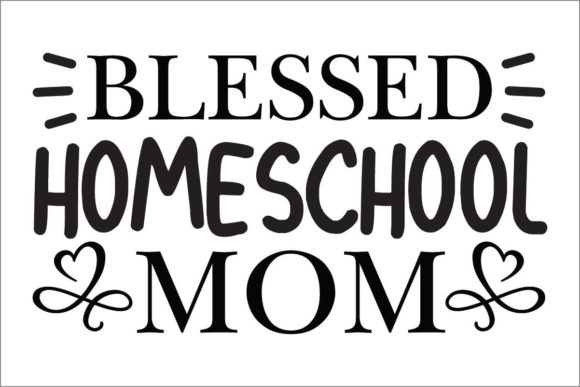
The first thing that strikes you about the Blessed Homeschool Mom graphic is its clarity. In the world of Graphics and digital assets, simplicity often translates best to thread. The layout feels balanced, avoiding the clutter that plagues so many modern SVGs. It creates a mood that is both warm and authoritative, perfectly capturing the spirit of the homeschooling community. For an embroidery project, this visual personality is crucial. You want a design that reads well from a distance but also invites closer inspection.
Since the download includes formats like SVG, DXF, PNG, EPS, and JPG, isolated on white and black backgrounds, you have flexibility. However, as an embroiderer, my immediate thought is how these vector paths will translate into stitch data. The shapes appear robust enough to handle standard fill stitch patterns without requiring excessive underlay, which is a good sign for production speed and fabric stability.
Real-World Application: The Tote Bag Test
To truly evaluate this design, I imagined a common scenario for any Etsy seller or small shop owner: a custom order for a heavy-canvas tote bag. This is a staple product for homeschool conferences and co-op meetings. When I visualize the Blessed Homeschool Mom text and accompanying elements stitched onto natural cotton canvas, the contrast works beautifully. The design’s structure suggests it would hold up well against the textured weave of the fabric.
If you are creating a handmade product like this, the isolation of the design on different backgrounds in the preview files helps you plan your thread colors. On a natural beige tote, a deep navy or forest green thread would provide excellent readability. The design does not rely on tiny, fragile details that might get lost in the canvas texture, which is a common pitfall in lesser-quality embroidery file packages.
Versatility Across Products
Beyond tote bags, this design has strong potential for custom apparel. Imagine it embroidered on the left chest of a comfortable sweatshirt. The scale seems appropriate for a 4x4 or 5x7 hoop, though you must verify the specific dimensions in the file notes. It could also work as a central feature on a baby onesie for a younger sibling in a homeschool family, adding a touch of humor and pride. For those selling digital embroidery file bundles, this type of niche-specific design is highly searchable and valuable.
I also see potential for home decor, such as a kitchen towel or a pillow cover. The sentiment fits the domestic, educational focus of the target audience. When used on terry cloth, however, you need to be mindful of the pile. A design with too much fine detail can sink into the loops, but the bold nature of this graphic suggests it would remain visible and crisp.
Technical Considerations for Stitching
While the visual appeal is strong, practical execution requires attention to detail. Before running this on a customer’s garment, always test the design on scrap fabric. This is non-negotiable for professional results. Check the stitch density carefully. If the design uses dense satin stitches for lettering, ensure your stabilizer is up to the task. A cut-away stabilizer is often safer for stretchy fabrics like sweatshirt fleece, while a tear-away might suffice for woven cottons.
Pay close attention to the small corners and curves in the text. In some conversions from SVG to machine code, sharp angles can cause thread breaks or bird nests. If you are digitizing this yourself from the provided vectors, use smooth corner transitions. If you are using a pre-digitized version, inspect the stitch file in your software to ensure there are no unnecessary jumps or trims that could slow down production.
Fabric and Hoop Constraints
Be cautious when applying this to dark fabrics. The preview images show the design isolated on black and white, which is helpful for visualization, but in reality, you may need to adjust thread colors for visibility. A light thread on a dark shirt requires high contrast. Also, consider the hoop size limitations. If the design is large, it might not fit in a standard cap hoop without resizing, which could distort the proportions. Always check the aspect ratio before scaling.
For curved surfaces like caps, the design’s width is a critical factor. If it is too wide, it will wrap around the curve and become unreadable. For flat items like aprons or patch panels, this is less of an issue. If you are making an embroidered patch, consider using a dense fill stitch background to create a clean edge for cutting.
Commercial Value and Brand Consistency
For craft business owners, the value of a design lies in its ability to sell. The Blessed Homeschool Mom theme taps into a passionate community. Using this in your small shop product line can help build brand consistency if your aesthetic leans toward wholesome, family-oriented values. It enhances buyer engagement because it speaks directly to the customer’s identity.
When creating printable mockup images for your online store, use the high-resolution PNG or JPG files included in the zip. These allow you to showcase the design on various products without having to stitch every single sample first. This saves time and resources while still providing customers with a realistic view of the finished product.
Final Designer Notes
Before you commit to a large run or a client order, confirm the licensing terms. Just because you have the SVG and DXF files does not automatically grant unlimited commercial rights for mass production. Always read the license agreement included in the zipped folder. Additionally, verify if the package includes actual machine embroidery formats (like PES, DST, or JEF) or if you are expected to digitize the vectors yourself. The description mentions SVG, DXF, PNG, EPS, and JPG, which are primarily graphic formats. If you do not have digitizing software, you will need to convert these or purchase a separate machine-ready file.
In summary, the Blessed Homeschool Mom design offers a solid foundation for various Crafts projects. Its strength lies in its clear, readable layout and emotional resonance. With proper testing, appropriate stabilizer choice, and careful color selection, it can elevate a simple item into a cherished keepsake. Whether you are a hobbyist making gifts or a professional decorator fulfilling orders, this design deserves a spot in your library, provided you handle the technical translation from screen to stitch with care.