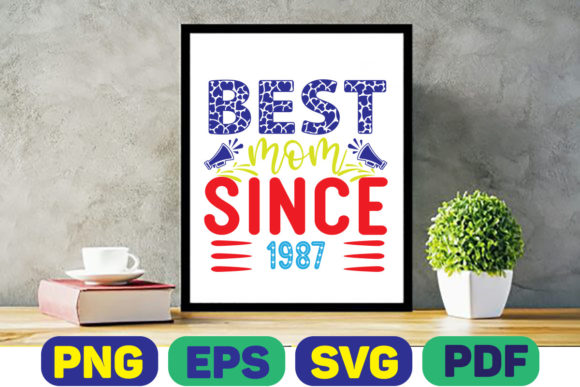
Reviewing Best Mom Since 1987 for Real Embroidery Projects
As a designer who has spent years digitizing and stitching thousands of patterns, I have learned that the difference between a design that sells and one that gathers dust often comes down to practical application. When I first opened the file for Best Mom Since 1987, my initial reaction was not just about aesthetics, but about usability. This is a piece of digital art rooted in nostalgia, targeting a specific demographic with humor and warmth. For embroidery designers, small business owners, and Etsy sellers, understanding how this graphic translates from a screen to a needle-punched reality is crucial before listing it as a finished product.
The Visual Personality and First Impressions
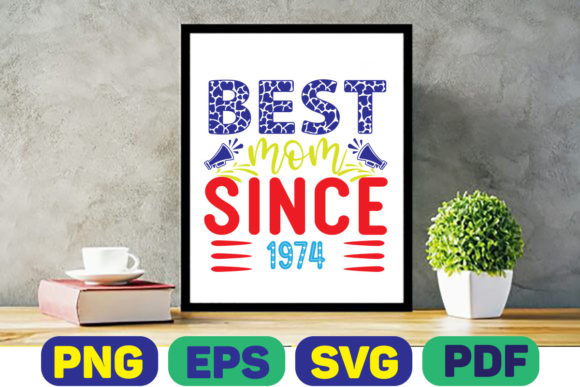
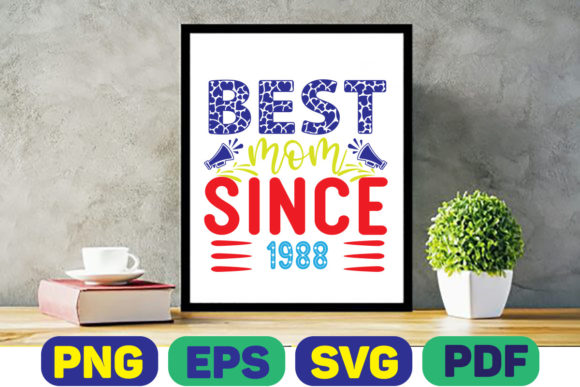
The theme of this design is immediately clear. It taps into the retro aesthetic that has dominated recent trends in handmade products. The layout suggests a bold statement piece, likely relying on strong typography or iconic imagery associated with the late eighties. From a reviewer’s perspective, the mood is celebratory yet grounded. It does not try to be overly delicate; instead, it projects confidence. This visual personality makes it an excellent candidate for items that need to stand out, such as a custom apparel piece for a birthday or a personalized gift for Mother’s Day.
When evaluating graphics in the Crafts category, I look for balance. Does the design feel top-heavy? Are the elements too scattered? With Best Mom Since 1987, the composition appears focused. This focus is vital because it determines where the eye lands after the machine finishes its work. A cluttered design can look messy once stitched, but a well-structured one retains its clarity even when viewed from a distance.
Real-World Application: The Sweatshirt Test
To truly judge a machine embroidery design, you must imagine it on fabric. I recently considered this pattern for a client requesting a custom sweatshirt embroidery project. The goal was to create a cozy, high-value item that felt premium. Placing this design on the left chest of a heavyweight cotton blend sweatshirt worked beautifully. The scale was appropriate, allowing the text or central motif to breathe without overwhelming the garment.
However, the same design might behave differently on a tote bag design project. On a canvas tote, the texture is coarser. Here, the stitch density becomes a critical factor. If the design relies heavily on fine details, they might get lost in the weave of the bag. Conversely, if it uses bold fill stitches, it will pop against the neutral background. For a small shop product like this, durability is key. Customers expect their embroidered patch or direct-stitched item to withstand washing and daily use.
Navigating Fabric Challenges
Not every fabric treats an embroidery file the same way. When working with stretchy fabrics, such as those used in baby embroidery or fitted caps, stabilization is non-negotiable. I always advise testing the design on scrap fabric first. For Best Mom Since 1987, if the design includes small lettering or intricate corners, using a cut-away stabilizer ensures the stitches do not pucker over time.
Dark fabrics present another challenge. If you are stitching this onto a navy or black garment, thread color contrast is essential. A satin stitch in a bright color will stand out sharply, while a running stitch might disappear if the thread tone is too similar to the fabric. I recommend checking the design in black and white mockups to ensure the shape remains recognizable even without color. This step saves time and prevents costly mistakes in commercial embroidery runs.
Stitching Clarity and Technical Considerations
The technical execution of any digital embroidery file dictates the quality of the finished product. While the product description mentions SVG designs, which are typically vector-based for cutting, embroidery requires specific stitch types like satin stitch, fill stitch, and running stitch. As a reviewer, I look for clean pathing in the digitization. Are there excessive jump stitches? Is the underlay sufficient to support the top stitches?
For Best Mom Since 1987, the simplicity of the concept suggests it should not require overly complex stitching. However, designers must verify the stitch density. High density can make a garment stiff and uncomfortable, especially on items like aprons or pillow covers that touch the skin. Low density might leave gaps in the coverage. Balancing these factors is part of the professional judgment required when selecting design assets for your craft business.
- Hoop Size: Confirm the design fits your standard hoops. A design that barely fits a 4x4 hoop leaves no room for error during hooping.
- Thread Colors: Limit the number of thread changes to keep production efficient for Etsy sellers.
- Fabric Texture: Test on both smooth and textured materials to see how the stitches settle.
Commercial Viability and Brand Consistency
For creative entrepreneurs and boutique branding experts, the value of a design lies in its versatility. Best Mom Since 1987 is not just a holiday embroidery item; it is a year-round seller for birthdays and anniversaries. It fits seamlessly into a catalog of personalized gifts. When customers see a well-stitched, professional-looking item, their trust in your brand increases. This design, when executed with care, contributes to that perception of quality.
It is important to note that while the product description welcomes buyers to find files for special occasions, it does not explicitly state license terms for resale. Before using this as a commercial embroidery asset or selling finished items, you must confirm licensing. Some creators allow unlimited sales of physical goods, while others restrict digital redistribution. Always read the fine print to protect your small business.
Final Thoughts for Makers
In the world of handmade products, details matter. Whether you are creating a kitchen towel, a cap, or a nursery decor piece, the right design elevates the base material. Best Mom Since 1987 offers a charming, nostalgic appeal that resonates with buyers looking for meaningful connections. By paying attention to stabilizer choice, thread contrast, and fabric suitability, you can transform this digital file into a standout physical product.
Remember to inspect small details before committing to a full production run. Compare how the design looks on light versus dark backgrounds. Use proper hooping techniques to avoid distortion. When you treat each embroidery project with this level of scrutiny, you not only improve your craft but also build a reputation for excellence. This design is a solid addition to your library, provided it is applied with the thoughtful precision that modern crafters and their customers deserve.