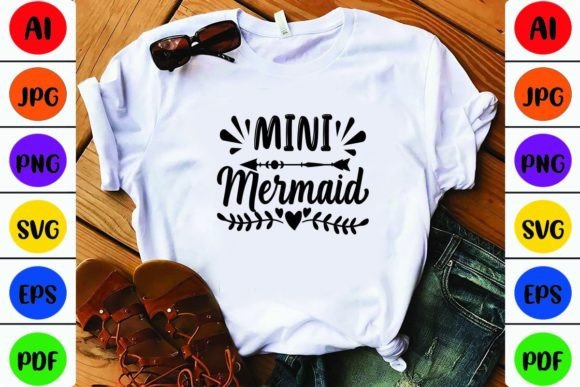
Mini Mermaid: Crafts Graphics for Blogs
As a digital publisher who has spent years refining the visual identity of content-driven websites, I approach every new graphic design asset with a critical eye. It is not enough for an image to be cute; it must perform. It must hold its own against bold headlines, integrate seamlessly into complex editorial layouts, and maintain clarity when shrunk down to a thumbnail on a mobile device. When I first encountered Mini Mermaid, my immediate reaction was one of cautious optimism. This is not just another clipart file; it is a versatile tool for creators who understand that visual communication is the backbone of reader engagement.
The Editorial Mood and Visual Identity
The first thing you notice about Mini Mermaid is its inherent playfulness balanced with clean lines. In the world of web design, mood is everything. This asset creates a lifestyle-focused, whimsical atmosphere that feels both modern and approachable. It does not scream for attention with chaotic details; instead, it offers a decorative touch that supports the content rather than overpowering it. For bloggers and small business owners in the parenting, education, or creative lifestyle niches, this aesthetic builds immediate trust. It signals to the reader that the brand is friendly, accessible, and attentive to detail.
When we talk about brand identity, consistency is key. Mini Mermaid fits naturally into a visual system that values clarity and charm. Whether you are designing a website header for a family-oriented blog or creating a series of cohesive Pinterest pin graphics, this illustration provides a strong anchor. It feels feminine without being overly delicate, making it suitable for a wide range of audiences, from young children to adult hobbyists interested in crafts and DIY projects.
Real-World Publishing Applications
Let us move beyond theory and look at how this asset functions in a real publishing workflow. As a designer, I am constantly looking for elements that can elevate standard content formats. Here is how Mini Mermaid can be deployed effectively across your digital ecosystem:
- Blog Featured Images: Use the illustration as a focal point in your hero images. It breaks up text-heavy headers and adds a splash of personality that encourages clicks from social media feeds.
- Newsletter Graphics: In email marketing, visual hierarchy is crucial. Place Mini Mermaid beside your call-to-action buttons or use it as a divider between sections to keep the reader’s eye moving down the page.
- Digital Guides and Lead Magnets: If you are creating a printable PDF or a digital guide, this asset works beautifully as a chapter marker or a decorative border element. It transforms a plain document into a polished, professional product.
- Social Media Graphics: For Instagram stories or Facebook posts, the clean lines of this design allow for easy integration with typography. It serves as an excellent background element that does not compete with your overlay text.
- Affiliate Marketing Visuals: When promoting products related to kids, crafts, or home decor, using a consistent visual theme increases brand recognition. Mini Mermaid can be the subtle thread that ties your affiliate content together, making your recommendations feel more curated and less salesy.
Enhancing Content Performance Through Design
Why does this matter for your bottom line? Because good design drives performance. A well-chosen graphic design asset improves the first impression, which is often the only chance you get to retain a visitor. By using Mini Mermaid consistently, you create a stronger visual identity that readers begin to associate with quality content. This leads to better category recognition; when users see this style of illustration, they know they are in your specific niche.
Furthermore, clear visual hierarchy helps guide the reader through your content. When used in editorial design, such illustrations can break up long blocks of text, reducing cognitive load and keeping the reader engaged longer. This is particularly important for content marketing strategies that rely on deep-dive articles or educational posts. The playful nature of the mermaid design softens the seriousness of dense information, making it more digestible for a broader audience.
Strategic Placement and Cautionary Notes
While Mini Mermaid is versatile, it is not a one-size-fits-all solution. It works best in contexts where warmth and creativity are valued. Think of it as the perfect accent for blog graphics, category thumbnails, and downloadable resources. However, there are places where it should be used with caution.
Avoid using this asset in serious professional niches, such as corporate finance or legal advice, where a minimal and strictly formal visual system is required. Additionally, be mindful of scale. On small mobile thumbnails, intricate details can get lost. Always test how the illustration looks at reduced sizes. If the lines become too thin or the shape becomes indistinct, it may not be suitable for tiny icons or favicons. Similarly, avoid placing it on busy, low-contrast backgrounds where it might disappear. The goal is to enhance readability, not hinder it.
Practical Publisher Notes for Implementation
Before you integrate Mini Mermaid into your next project, follow these practical steps to ensure optimal performance:
- Test Across Devices: Preview the asset on both desktop and mobile screens. Ensure it remains visible and appealing on smaller displays.
- Check Contrast and Readability: Place the illustration against various background colors. Test it in black and white to ensure the silhouette remains strong even without color.
- Typography Pairing: Experiment with different font styles. Mini Mermaid pairs well with handwritten fonts for a playful look, sans serif fonts for a modern feel, and display fonts for bold headlines. Avoid pairing it with overly ornate serif fonts that might clash with its clean lines.
- File Optimization: Since this is a digital download often provided in vector formats like SVG, you have flexibility. However, if you convert it to PNG or JPG for web use, compress the images properly to maintain fast load times. Web performance is a critical factor in SEO and user experience.
- Licensing Verification: Always confirm the commercial licensing terms before using any design assets on monetized websites, affiliate pages, or paid content products. Ensure that your usage aligns with the creator’s terms, especially if you are incorporating it into items for sale, such as t-shirts or printed posters.
In the competitive landscape of creative marketplace offerings, finding a digital product that balances aesthetic appeal with functional versatility is rare. Mini Mermaid stands out as a reliable choice for publishers who value both style and substance. Whether you are building a Canva template for clients, designing a printable design for your shop, or simply sprucing up your latest blog post, this asset offers the polish needed to make your content shine. It is a testament to the power of thoughtful creative design in elevating everyday crafts and graphics into professional-grade visual communication tools.