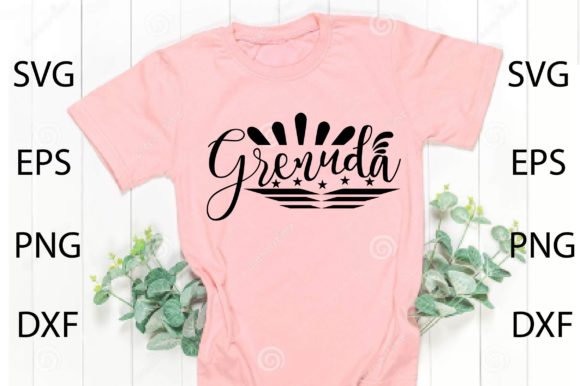
Grenuda SVG: Modern Graphics for Crafts
As a graphic designer who has spent the better part of a decade refining brand identities and preparing files for print-on-demand production, I approach every new graphic design asset with a critical eye. It is not enough for a file to look pretty in a preview thumbnail; it must hold up under the scrutiny of real-world application. Recently, I integrated the Grenuda SVG into a client project for a boutique handmade business, and the experience offered valuable insights into how this specific digital product performs in professional workflows.
The initial impression of the Grenuda SVG is one of understated elegance. It does not scream for attention with chaotic lines or excessive detail. Instead, it offers a clean, balanced aesthetic that feels both modern and timeless. For designers working within the Crafts sector, finding assets that bridge the gap between amateur hobbyist vibes and polished commercial design can be challenging. This asset manages to strike that balance, offering a visual mood that is warm yet structured. It naturally fits projects that require a touch of personalization without sacrificing professionalism, such as small business branding or curated Etsy product lines.
Integrating Grenuda SVG into Client Branding
In the context of the client project I was handling—a seasonal campaign for a local artisan shop—the goal was to create a cohesive visual language across multiple touchpoints. The Grenuda SVG served as a central element in our brand identity development. We utilized it not just as a standalone illustration, but as a foundational component for various marketing visuals. Its versatility allowed us to adapt it for everything from packaging design labels to social media graphics.
One of the strongest advantages of this file is its scalability. As an SVG, it retains crisp edges regardless of size, which is crucial when moving from a small sticker design to a large format poster. In our workflow, we tested the asset across several mediums. It performed exceptionally well in t-shirt design applications, where clean vector paths are essential for vinyl cutting and screen printing. The simplicity of the design ensured that it did not become muddy or lose definition when printed on textured fabrics, a common pitfall with more complex illustrations.
Performance Across Digital and Physical Media
Beyond physical products, the Grenuda SVG proved equally capable in digital environments. We incorporated it into Canva templates designed for the client’s Instagram posts and Pinterest pins. Because the design is lightweight and visually distinct, it helped improve the visual hierarchy of the layouts. It acted as a focal point that guided the viewer’s eye without overwhelming the accompanying text. This is particularly important for web design and editorial design, where clutter can quickly degrade user experience and reduce engagement.
For those involved in Cricut projects or other die-cutting processes, the file structure is intuitive. The paths are closed and clean, minimizing the need for extensive cleanup in vector software. This efficiency is a significant time-saver for designers managing tight deadlines. Whether you are creating vinyl decals for storefront windows or intricate scrapbooking elements, the reliability of the vector data ensures that the final cut matches the digital preview.
Strategic Placement and Design Considerations
While the Grenuda SVG is versatile, it is not a one-size-fits-all solution. Understanding where it works best is key to maximizing its impact. It shines in large layout areas where it can breathe, such as hero graphics on landing pages or central motifs on tote bags. It also works beautifully as a decorative accent in printable design collections, adding a layer of sophistication to plain backgrounds.
However, designers should exercise caution when using this asset in crowded layouts. Because the design relies on negative space and clean lines, placing it against busy patterns or low-contrast backgrounds can diminish its effectiveness. It is not ideally suited for minimalist corporate branding that requires stark, geometric precision, nor does it fit well in projects that demand heavy, ornate detailing. In such cases, the subtlety of the Grenuda SVG might get lost. It is best reserved for projects that value warmth, approachability, and organic flow.
Practical Designer Notes for Commercial Use
Before deploying any design bundle or individual asset in a client project, I follow a strict validation protocol. Here are the specific checks I performed with the Grenuda SVG:
- Contrast Testing: I placed the design on both pure white and deep charcoal backgrounds to ensure visibility. The lines remained distinct, confirming its suitability for sublimation design on varied fabric colors.
- Scale Verification: I previewed the asset at 10% and 400% zoom. At small sizes, such as for a favicon or small tag, the details remained legible, which is a testament to its robust vector construction.
- Font Pairing: I experimented with pairing the graphic with different typefaces. It complemented serif fonts for a classic look, sans serif fonts for a modern feel, and script fonts for a handwritten, personal touch. This flexibility makes it a valuable addition to any designer’s toolkit.
- Licensing Review: Crucially, I verified the commercial license terms. For any commercial design work, ensuring that the asset can be used for client deliverables and sold as part of a physical product is non-negotiable. Always confirm these rights before finalizing your project.
The Grenuda SVG is more than just a clipart element; it is a functional tool for enhancing small business branding. Whether you are a content creator looking to elevate your blog visuals, a marketer designing campaign assets, or a crafter selling on a creative marketplace, this asset offers the polish needed to stand out. It supports the creation of high-quality product mockups and helps maintain brand consistency across diverse platforms.
In conclusion, the Grenuda SVG earns its place in my professional library. It is a reliable, aesthetically pleasing, and technically sound digital product that meets the demands of modern design. By understanding its strengths and limitations, designers can leverage it to create compelling, trustworthy, and engaging visual experiences for their clients and audiences.